 admin
Hollywood in 2025 is undergoing one of its biggest transformations in decades. Major studios are shifting back to theatrical-first releases as cinemas prove their long-term value, while AI and virtual production technologies are redefining how films are made, cutting costs and accelerating creativity. At the same time, superhero fatigue is forcing studios to rethink franchise strategies, focusing on fewer, higher-quality releases instead of endless sequels. Hollywood actors are also adapting, choosing profit-sharing deals over massive upfront salaries to align earnings with box-office success. Meanwhile, streaming platforms are entering a maturity phase, cutting budgets, canceling expensive shows, and prioritizing sustainable profitability over rapid expansion. Together, these trends reveal how Hollywood is reshaping its business, creativity, and future in 2025.
- 1 September 2021
VIRAL HOLLYWOOD NEWS
1.Hollywood Studios Return to Theatrical-First Releases in 2025

About the News
After years of prioritizing streaming platforms, Hollywood studios are officially shifting back to theatrical-first releases in 2025. Rising box office revenue, franchise longevity, and premium cinema formats like IMAX and Dolby Cinema have made theaters financially irresistible again. This move signals a major reset in Hollywood’s distribution strategy.
Why Theatrical Releases Are Making a Comeback
Between 2020–2023, streaming platforms dominated film releases. However, studios discovered several long-term drawbacks:
-
Streaming diluted event value
-
Franchise films lost cultural impact
-
Subscription growth plateaued
In contrast, theatrical releases deliver multiple revenue streams.
Revenue Comparison Table
| Release Model | Avg Revenue Potential | Risk Level |
|---|---|---|
| OTT-First | Moderate | Low |
| Hybrid | High | Medium |
| Theatrical-First | Massive | High |
IMAX & Premium Formats Are Game-Changers
Premium formats now account for 30–40% of opening-week revenue for blockbuster films.
Studios partnering with IMAX benefit from:
-
Higher ticket prices
-
Repeat viewing
-
Strong global openings
Studio Examples Driving the Shift
Major studios are extending theatrical windows:
-
Warner Bros. – 60–90 day exclusive theatrical runs
-
Universal Pictures – Focus on event films
-
Disney – Franchise-first cinema strategy
Pros & Cons of Theatrical-First Strategy
Pros
-
✔ Higher global revenue
-
✔ Stronger franchise branding
-
✔ Event-based marketing buzz
Cons
-
✘ Higher marketing costs
-
✘ Box office risk if content fails
Internal Links (Suggested for Your Website)
-
Hollywood Box Office Trends 2025
-
IMAX vs OTT Revenue Comparison
-
Future of Streaming Platforms
Conclusion
The theatrical comeback proves one thing: cinema is still Hollywood’s most powerful money-maker. Streaming remains important, but theaters are once again the foundation of blockbuster economics.
FAQs
Q1. Is streaming dying in Hollywood?
No. Streaming remains vital, but studios now prioritize theaters first.
Q2. Why do franchises need theaters?
Because big-screen experiences build long-term brand value.
2. AI & Virtual Production Are Reshaping Hollywood Filmmaking

About the News
What Is Virtual Production?
Virtual production combines:
-
Real-time CGI environments
-
Massive LED walls
-
AI-powered rendering
Instead of green screens, actors perform inside digitally generated worlds.
Why Hollywood Is Embracing AI Production (H2)
Key reasons include:
-
Reduced location costs
-
Faster shooting schedules
-
Better visual consistency
-
Real-time director control
Cost Comparison Table
| Production Type | Avg Cost | Time Efficiency |
|---|---|---|
| Traditional | High | Slow |
| Hybrid | Medium | Moderate |
| AI Virtual | Lower | Fast |
Studios Leading the AI Revolution (H2)
-
Disney – LED volume stages
-
Netflix – AI-driven production pipelines
-
Lucasfilm – Pioneers of virtual environments
Pros & Cons of AI Filmmaking
Pros
-
✔ Faster production
-
✔ Budget optimization
-
✔ Visual freedom
Cons
-
✘ Job displacement concerns
-
✘ Risk of creative sameness
Impact on Actors & Directors (H2)
Actors now work with:
-
Digital doubles
-
Motion capture enhancements
-
AI lighting simulations
Directors gain live previews, reducing post-production guesswork.
Internal Links (Suggested)
-
Future of AI in Cinema
-
Virtual Production Explained
-
Hollywood Film Budgets 2025
Conclusion
AI and virtual production are no longer experimental — they are industry standards. Studios that adapt faster will dominate Hollywood’s next decade.
FAQs
Q1. Will AI replace filmmakers?
No. AI enhances efficiency, but creativity remains human-led.
Q2. Is virtual production cheaper than real locations?
Yes, especially for sci-fi and fantasy genres.
3.Superhero Fatigue Forces Hollywood Studios to Rethink Franchise Strategy

About the News
Once Hollywood’s safest bet, superhero films are now facing declining box office returns. In 2025, studios are slowing releases, canceling spin-offs, and focusing on quality over quantity as audience fatigue reshapes franchise strategies.
Why Superhero Films Are Losing Momentum (H2)
Key reasons behind the slowdown:
-
Oversaturation of content
-
Similar storytelling patterns
-
Weak emotional stakes
-
Overdependence on CGI
Studios like Marvel Studios and DC Studios are now reassessing long-term plans.
Box Office Performance Comparison
| Era | Avg Opening Weekend | Audience Reception |
|---|---|---|
| 2016–2019 | Very High | Strong |
| 2020–2022 | High | Mixed |
| 2023–2025 | Moderate | Fatigue Visible |
New Studio Strategy in 2025 (H2)
-
Fewer releases per year
-
Stronger scripts & character depth
-
Standalone stories over shared universes
Pros & Cons of Slowing Superhero Output
Pros
-
✔ Higher quality films
-
✔ Audience trust rebuilds
Cons
-
✘ Reduced short-term revenue
-
✘ Risky reboots
Conclusion
Superhero movies aren’t dead — but the formula has changed. Studios that prioritize storytelling over spectacle will survive this reset.
4. Hollywood Actors Shift to Profit-Sharing Deals Over High Upfront Fees
About the News
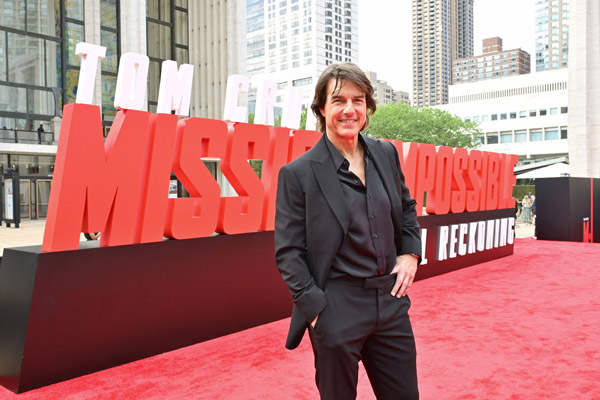
In 2025, Hollywood’s biggest stars are accepting lower upfront pay in exchange for backend profit participation, aligning their earnings directly with box office success.
Why this trend is growing
Why Actors Are Changing Pay Models (H2)
-
Studios cutting production budgets
-
Uncertain box office performance
-
Streaming revenue opacity
Actors now prefer risk-reward alignment.
Old vs New Actor Pay Structure (H2)
| Model | Earlier Trend | 2025 Trend |
|---|---|---|
| Upfront Salary | $20–30M | $8–12M |
| Backend Bonus | Rare | Common |
| Box Office Link | Optional | Mandatory |
Studios Supporting the Shift (H2)
-
Warner Bros.
-
Universal Pictures
-
Amazon MGM Studios
Pros & Cons for Actors
Pros
-
✔ Higher long-term earnings
-
✔ Creative involvement
Cons
-
✘ Income uncertainty
-
✘ Dependence on box office
Conclusion
Profit-sharing is redefining Hollywood economics, making actors true business partners rather than just talent.
5. Streaming Platforms Cut Budgets and Cancel Big-Ticket Shows in 2025
About the News
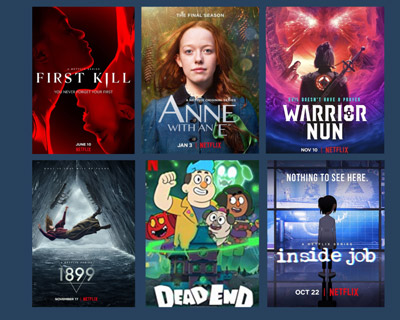
After years of aggressive spending, streaming platforms are cutting content budgets and canceling expensive shows in 2025, signaling a shift from growth-at-all-costs to sustainable profitability.
Why Streaming Is Slowing Down (H2)
-
Subscriber growth saturation
-
Rising production costs
-
Increased competition
Platforms like Netflix, Disney+, and Max are tightening spending.
Budget Strategy Comparison (H2)
| Era | Content Spend | Strategy |
|---|---|---|
| 2019–2021 | Massive | Subscriber growth |
| 2022–2023 | High | Market dominance |
| 2024–2025 | Controlled | Profitability |
What Content Still Gets Greenlit? (H2)
-
Franchise-linked series
-
Mid-budget originals
-
Reality & unscripted shows
Pros & Cons of Budget Cuts
Pros
-
✔ Better content quality control
-
✔ Reduced financial losses
Cons
-
✘ Fewer experimental shows
-
✘ Job losses in production
Conclusion
Streaming isn’t collapsing — it’s maturing. Platforms are now focused on profitability, not endless expansion.
Read more Bollywood business news on VidBeats. instagram facebook



Leave a Reply